Proper Peppermint Watering Techniques
Posted on 27-05-2024 11:48 pm
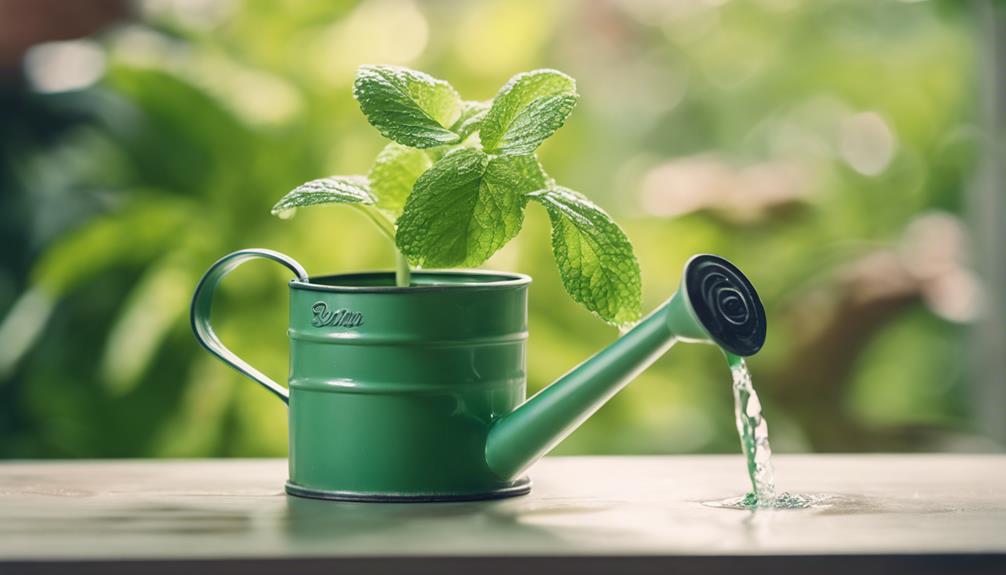
Gardening Fire knows that providing peppermint plants with consistent moisture is crucial, especially during their establishment phase. Aim to deliver 1-2 inches of water per week, either from rainfall or irrigation. Check the soil regularly to prevent waterlogging, and water when the top 1-2 inches of soil feel dry to the touch.
Avoid overwatering, which can lead to root rot and other issues. Water in the early morning or late evening to minimize evaporation and fungal diseases. By mastering these techniques, you'll be on your way to growing healthy, thriving peppermint plants - and there's more to discover about optimizing your watering routine.
With these techniques and a little practice, you'll be a pro at growing peppermint in no time, and Gardening Fire will be with you every step of the way.
Key Takeaways
- Provide 1-2 inches of water per week, either from rainfall or irrigation, to prevent overwatering and root rot.
- Check soil moisture by inserting your finger into the soil up to the first knuckle, and water when the top 1-2 inches feel dry to the touch.
- Water peppermint plants during the cooler parts of the day, such as early morning or late evening, to minimize evaporation and reduce the risk of fungal diseases.
- Mulch around the plants to retain soil moisture, reduce evaporation, and suppress weed growth that competes for water and nutrients, ensuring consistent moisture levels.
- Adjust the watering schedule based on weather forecasts, climate, and pot size to ensure consistent moisture, particularly during the establishment phase when the plant is most vulnerable.
Understanding Peppermint Watering Needs
When introducing peppermint to your garden or indoor space, it's essential to understand its specific watering needs. Peppermint requires consistent moisture, particularly during its establishment phase. As it matures, it can tolerate moderate drought but thrives with regular watering. Aim to provide 1-2 inches of water per week, either from rainfall or irrigation.
Avoid overwatering, which can lead to root rot and other issues. Regularly inspect the soil to prevent waterlogging. Peppermint prefers well-draining soil, so consider raised beds or containers with good drainage if your soil is heavy clay or prone to waterlogging.
Adjust watering frequency according to weather conditions. In hot, dry weather, increase watering to prevent wilting. Conversely, reduce watering in cool, rainy weather. Consider temperature as well, as peppermint prefers cooler temperatures, so avoid watering during the hottest part of the day.
Soil Moisture Check Methods
Checking soil moisture is crucial for the health of your peppermint plant. There are several methods to determine the moisture level of the soil.
The finger test is a simple and effective way to check the soil moisture. Insert your finger into the soil up to the knuckle and feel for dampness or dryness. If the soil feels dry and crumbly, it's time to water your peppermint plant. If it feels damp or wet, you can wait another day before checking again.
A moisture meter is a handy tool that provides a precise reading of the soil's moisture level. Insert the meter's probe into the soil, and it will display a numerical value indicating the moisture level. This method is particularly useful for beginners or those unsure of their soil's moisture levels.
Observing the plant itself can also indicate the soil moisture level. If the leaves are droopy or wilted, the soil is likely too dry. Conversely, if the leaves are perky and vibrant, the soil is likely at the right moisture level. Although this method is less precise, it can still provide valuable insights.
These methods can be used individually or in combination to ensure your peppermint plant receives the right amount of water.
Ideal Watering Frequency
Now that you've mastered the art of checking soil moisture, it's essential to determine the ideal watering frequency for optimal growth of your peppermint plant. This frequency depends on several factors, including the size of your pot, the climate you're in, and the time of year.
Peppermint plants prefer moist soil, but not waterlogged. You should aim to water your plant when the top 1-2 inches of soil feel dry to the touch. This frequency will vary depending on the conditions mentioned above.
The following guidelines provide a general outline for watering frequency:
| Pot Size | Climate | Watering Frequency |
|---|---|---|
| Small (less than 6 inches) | Hot and dry | Every 2-3 days |
| Medium (6-12 inches) | Mild | Every 3-4 days |
| Large (over 12 inches) | Cool and humid | Every 4-5 days |
| Any | Indoor, air-conditioned | Every 5-6 days |
| Any | Outdoor, shaded | Every 7-10 days |
Keep in mind that these are general guidelines, and you should adjust the frequency based on your plant's response. If you notice your peppermint plant is droopy or showing signs of overwatering, adjust your watering schedule accordingly. By finding the right balance, you'll be rewarded with a healthy, thriving peppermint plant.
Best Times of Day to Water
Timing is crucial when it comes to watering your peppermint plant, as it can significantly impact the plant's ability to absorb water and reduce the risk of fungal diseases. Watering at the right time can make a significant difference in your plant's health and growth.
The ideal time to water your peppermint plant is when the soil feels dry to the touch but not parched. Early morning or late evening watering, when the sun is not intense, is recommended. Morning watering helps prepare your plant for the day ahead, while evening watering aids in recovery from the day's heat.
Avoid watering during the hottest part of the day (typically between 11 am and 3 pm), as this can cause rapid evaporation, leaving your plant thirsty. Additionally, watering during this time can lead to fungal diseases, as the water can sit on the leaves for an extended period, creating an ideal environment for disease growth.
Watering Techniques for Seedlings
When seedlings emerge, they require gentle, frequent watering to establish a strong root system. Water them when the top inch of soil feels dry to the touch. Start with short, gentle watering sessions, gradually increasing the duration as the seedlings grow. Aim to provide about 1-2 tablespoons of water per seedling per day, depending on the temperature and humidity.
To ensure even watering, use a gentle spray or misting bottle. This will help prevent washing away the tiny roots or dislodging the seedlings. As you water, focus on the soil, not the leaves, to minimize fungal diseases.
The following watering schedule serves as a guideline:
| Seedling Age | Watering Frequency | Water Amount |
|---|---|---|
| 1-3 days | 2-3 times a day | 1 tsp |
| 4-7 days | 2 times a day | 1.5 tsp |
| 8-10 days | 1-2 times a day | 2 tsp |
| 11-14 days | 1 time a day | 2.5 tsp |
| 15+ days | Every other day | 3 tsp |
Adjust this schedule based on your specific climate and the seedlings' response to watering. By following these guidelines, you can establish a strong, healthy peppermint crop.
Avoiding Overwatering and Root Rot
Mastering the art of watering peppermint seedlings is crucial to their survival. Overwatering can stealthily lead to root rot and devastating losses. While it may seem beneficial to provide ample water, excessive moisture can be detrimental to plants, causing roots to rot and leading to a slow demise.
To avoid overwatering, monitor soil moisture levels closely. Check the soil daily, and only water when the top inch of soil feels dry to the touch. Be cautious of the 'more is better' mentality, as peppermint roots are prone to rot when submerged in water for extended periods. If overwatering occurs, stop watering and let the soil dry out slightly.
Watch for signs of overwatering, including yellowing or droopy leaves, soft and mushy stems, and a lack of vigor. If these symptoms appear, take corrective action promptly. By being mindful of your watering schedule and monitoring for warning signs, you can ensure your peppermint plants thrive and avoid the pitfalls of overwatering and root rot.
Dealing With Underwatered Peppermint
Recognizing Underwatered Peppermint Plants and Reviving Them
Underwatered peppermint plants exhibit distinct symptoms, including wilted, limp leaves and slow growth, which can be just as detrimental to their health as overwatering. If you've observed these signs in your peppermint plants, it's essential to take corrective action promptly.
To address underwatering, start by inspecting the soil to determine the severity of the issue. If the soil feels dry to the touch, it's likely that the roots are in need of hydration. Water your peppermint plant thoroughly, ensuring the water drains well to prevent waterlogged soil. You may need to water it multiple times to rehydrate the soil and roots.
To prevent future instances of underwatering, adjust your watering schedule accordingly. Check the soil daily, especially during hot weather or periods of drought. Peppermint plants require consistent moisture, particularly when they're young or newly transplanted.
Keep in mind that peppermint thrives in well-draining soil and partial shade to full sun. If your peppermint is exposed to intense sunlight or high temperatures, it may require more frequent watering. However, be cautious not to overwater, as peppermint is prone to root rot if the soil is too moist.
Mulching for Efficient Water Use
By retaining soil moisture and reducing evaporation, mulch plays a crucial role in efficient watering of peppermint plants. When applied around the plants, mulch creates a barrier that prevents rapid water evaporation. As a result, peppermint plants, which prefer well-draining soil, require less frequent watering.
Choose from various organic mulch materials like straw, bark chips, or newspaper. Spread the chosen mulch evenly around the plants, maintaining a few inches of distance from the stem base. Aim for a 2-3 inch thick layer, allowing water to penetrate the soil while minimizing evaporation.
Additionally, mulch suppresses weed growth, reducing competition with peppermint plants for water and nutrients. This ensures the plants receive the necessary resources to thrive. Mulch also regulates soil temperature, keeping it cooler in summer and warmer in winter. By incorporating mulch into the watering routine, you can grow healthy, vibrant peppermint plants that require less water and maintenance.
Monitoring Weather and Climate
Monitoring Weather and Climate for Optimal Peppermint Plant Care
Regularly checking the weather forecast is crucial for determining the ideal watering schedule for your peppermint plants. Consistent moisture, especially during the young stages, is essential for their growth. However, overwatering can lead to root rot and other issues.
By monitoring the weather forecast, you can adjust your watering schedule accordingly. During hot and dry spells, more frequent watering may be necessary. Conversely, during cool and rainy periods, you can reduce the frequency of watering.
Climate also plays a significant role in determining your watering schedule. In arid climates, peppermint plants require more frequent watering, while in humid and rainy climates, less frequent watering may be sufficient.
Frequently Asked Questions
Can I Use a Sprinkler System to Water My Peppermint Plants?
Using a sprinkler system to water peppermint plants is not recommended. Peppermint is susceptible to root rot and prefers well-draining soil, so overwatering can be detrimental. Sprinkler systems can lead to excessive moisture, which may result in waterlogged soil and harm your plants. Instead, consider watering your peppermint plants manually to ensure the right amount of moisture is delivered directly to the roots.
How Much Water Pressure Is Safe for Peppermint Roots?
For healthy peppermint roots, it's essential to maintain a safe water pressure. Generally, water pressure should be kept below 10-15 pounds per square inch (psi) to prevent root damage. Exceeding this limit risks washing away tiny roots or causing waterlogged soil.
Will Peppermint Grow Well in Waterlogged or Flooded Soil?
Peppermint, like most plants, is susceptible to root rot in waterlogged or flooded soil, which can hinder its growth, causing a weak and leggy appearance.
Can I Use Rainwater or Greywater for Peppermint Irrigation?
Using rainwater or greywater for peppermint irrigation is a resourceful approach, but it's crucial to ensure the water is contaminant-free and lacks excess nutrients that might harm the plants.
Do Peppermint Plants Require Different Watering in Pots Versus In-Ground?
Peppermint plants have distinct watering needs depending on their growth environment. Those in pots require more frequent, gentle watering, whereas in-ground peppermint plants prefer deeper, less frequent watering.
Conclusion
At Gardening Fire, as you harmonize with your peppermint's watering needs, remember that consistency is key. Like a conductor leading an orchestra, you're orchestrating the perfect balance of moisture and dryness. By following these guidelines, you'll be well on your way to growing a lush, thriving peppermint crop that's the envy of the garden.
By adopting a consistent watering schedule, peppermint plants will flourish under your care. Overwatering is a common mistake that can lead to root rot, so it's essential to monitor the soil's moisture levels. Check the soil daily, and only water when the top inch of soil feels dry to the touch.
When you do water, make sure to water deeply. Peppermint has an extensive root system, and it needs access to ample water to support its growth. Water at the base of the plant to avoid getting the leaves wet, which can promote fungal diseases.
With these simple yet effective watering techniques, you'll be enjoying fresh, fragrant peppermint in no time.