How To Grow Peppermint Outside
Posted on 28-05-2024 12:11 am
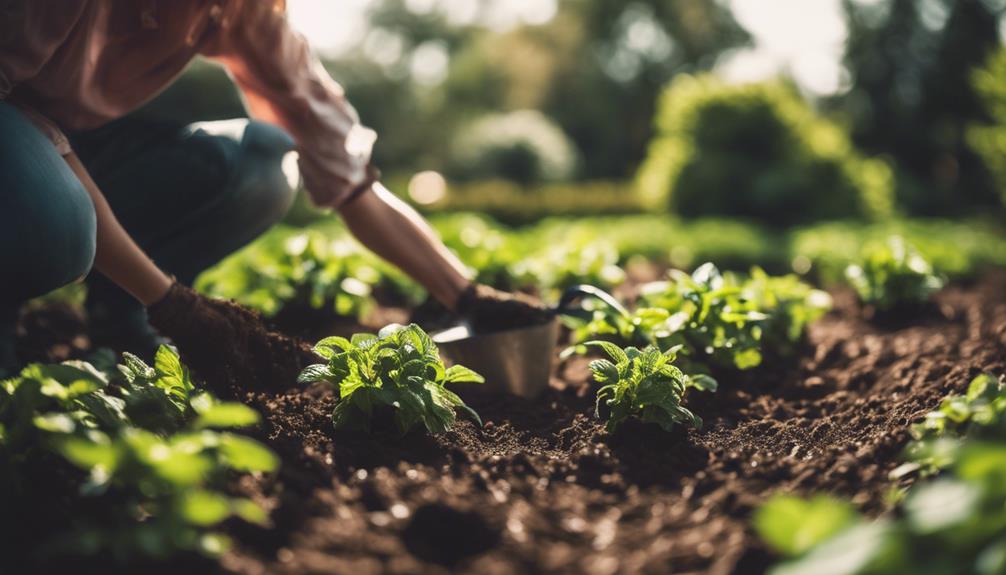
To grow peppermint outside, start by choosing a variety suited for your needs, like 'Chocolate Mint' for desserts or 'Peppermint' for teas. Prepare the soil by ensuring a pH between 6.0 and 7.0 and enriching it with organic matter. Plant cuttings or seedlings 12-18 inches apart, water thoroughly, and fertilize regularly.
Prune regularly to promote bushy growth, mulch to retain moisture, and monitor for pests and diseases. By following these steps, you'll be well on your way to a thriving outdoor peppermint crop. As you continue, you'll uncover more tips and tricks to optimize your harvest. With these expert tips from Gardening Fire, you'll be enjoying fresh peppermint in no time!
Key Takeaways
- Plant peppermint in well-draining soil with a pH between 6.0 and 7.0, rich in organic matter, to promote healthy root development.
- Space peppermint plants 12-18 inches apart to facilitate air circulation, prevent overcrowding, and reduce the risk of disease transmission.
- Water thoroughly after planting, and maintain consistent moisture levels to support establishment.
- Fertilize peppermint plants regularly with a balanced fertilizer to promote bushy growth, prevent nutrient deficiencies, and enhance flavor and aroma.
- Prune peppermint plants regularly to encourage a compact, bushy shape, prevent legginess, and promote new growth.
- Mulch around the base of peppermint plants to retain moisture, suppress weeds, regulate soil temperature, and reduce soil erosion.
- Monitor peppermint plants regularly for signs of pests or diseases, and take prompt action to prevent infestations or infections.
- Harvest peppermint leaves in the morning, after dew has evaporated but before heat sets in, to preserve essential oils and flavor.
- Handle peppermint leaves gently to prevent bruising, tearing, or crushing, and store them in a cool, dry place to preserve flavor and aroma.
Choosing the Right Peppermint Variety
When selecting a peppermint variety, consider the intended use of your harvest. Different types are better suited for teas and cooking, fresh eating, or potpourri. For example, 'Chocolate Mint' and 'Pineapple Mint' are ideal for desserts and drinks, while 'Peppermint' and 'Spearmint' are great for garnishing salads and making teas.
For cooking, opt for varieties like 'Ginger Mint' or 'Lemon Mint', which have a stronger, more intense flavor. For potpourri or crafts, 'Corsican Mint' or 'Bergamot Mint' are excellent choices, as they have a more delicate flavor and aroma.
Consider the growing conditions and hardiness of the variety you choose. Some peppermint varieties, like 'Egyptian Mint', are more tolerant of heat and drought, while others, like 'Apple Mint', prefer cooler, more moist conditions.
Preparing the Soil for Planting
Before planting peppermint, it is essential to assess your soil's pH and nutrient levels, as this herb thrives in slightly acidic to neutral soil with a pH between 6.0 and 7.0. Peppermint grows optimally in well-draining soil rich in organic matter.
To ensure optimal growth, prepare your soil by adjusting the pH and nutrient levels if necessary. The ideal soil conditions for peppermint are:
| Soil Condition | Ideal Range |
|---|---|
| pH | 6.0-7.0 |
| Nitrogen (N) | 10-20 ppm |
| Phosphorus (P) | 10-20 ppm |
| Potassium (K) | 100-150 ppm |
If your soil test reveals nutrient deficiencies or pH imbalances, enrich the soil by adding organic matter like compost or manure. Elemental sulfur or dolomitic limestone can be used to adjust the pH. Mix these amendments into the top 6-8 inches of soil to create a fertile bed for your peppermint plants.
Planting and Spacing Peppermint
With your well-prepared soil in place, it's time to plant your peppermint cuttings or seedlings. Space them 12-18 inches apart to allow for proper air circulation and growth. This spacing gives your peppermint plants room to spread out and receive adequate sunlight, which is essential for their development. When planting, gently remove the seedlings or cuttings from their containers and place them in the soil, ensuring the soil level is the same as it was in the container. Firm the soil gently around the roots to prevent air pockets from forming.
When planting peppermint cuttings, bury the nodes (the joints where the leaves meet the stem) under the soil, as this is where the roots will develop. Water your peppermint plants thoroughly after planting to settle the soil and provide enough moisture. Keep in mind that peppermint can be quite invasive, so consider containing it in a physical barrier or a pot to prevent it from spreading to other areas of your garden.
Plant your peppermint in an area that receives partial shade to full sun, depending on your climate. In warmer climates, peppermint prefers partial shade, while in cooler climates, it can thrive in full sun. By following these planting and spacing guidelines, you'll be well on your way to growing healthy and fragrant peppermint plants.
Caring for Outdoor Peppermint Plants
Caring for Outdoor Peppermint Plants
Now that your peppermint plants are in the ground, it's essential to provide them with the right care to ensure they thrive outdoors. As a hardy perennial herb, peppermint requires minimal maintenance, but consistent attention will encourage healthy growth and prevent issues.
Water your peppermint plants deeply once or twice a week, depending on weather conditions. Ensure the soil is consistently moist but not waterlogged, as this can lead to root rot.
Fertilize your peppermint plants regularly to promote healthy growth. Use a balanced fertilizer and follow the product's instructions for application.
Regular pruning is crucial for encouraging bushy growth and preventing legginess. Pinch off the tips of the stems to encourage branching, and trim back the plants to about an inch from the ground after they finish flowering to promote new growth.
Mulching around the base of your peppermint plants helps retain moisture, suppress weeds, and regulate soil temperature. Apply a thin layer of organic mulch like straw or bark chips, keeping it a few inches away from the plant stems.
Managing Pests and Diseases Naturally
Managing Pests and Diseases Naturally in Peppermint Crops
Pests and diseases can rapidly devastate peppermint crops, but proactive, natural measures can prevent infestations and infections. Introducing beneficial insects, such as ladybugs and lacewings, which prey on common peppermint pests like aphids and whiteflies, is an effective way to manage pests. Neem oil, a natural pesticide derived from the seeds of the neem tree, can also control pest populations.
Regular plant inspections are crucial for early disease detection. Fungal diseases like powdery mildew and rust can be prevented by maintaining good air circulation, careful watering, and removing infected leaves or stems. Copper-based fungicides, a natural and environmentally friendly method, can control fungal diseases.
Compost tea, a liquid solution made by steeping compost in water, promotes healthy plant growth and prevents disease by introducing beneficial microorganisms that fight off pathogens and pests. Incorporating these natural methods into your peppermint care routine will help grow a healthy and thriving crop. Prevention is key, so it is essential to stay vigilant and take action at the first sign of trouble.
Harvesting and Preserving Fresh Peppermint
Harvesting and Preserving Fresh Peppermint
To maximize the yield of your peppermint plants, it's essential to harvest and preserve the leaves at the optimal time. The ideal time for harvesting peppermint is in the morning, after the dew has evaporated but before the heat of the day sets in. Simply pinch or cut off the top sets of leaves, taking care not to damage the stem, which will allow the plant to continue growing.
There are several methods to preserve your fresh peppermint harvest:
| Preservation Method | Description |
|---|---|
| Air-drying | Tie stems in small bunches and hang upside down in a warm, dry place. |
| Freezing | Chop leaves and store in airtight containers or freezer bags. |
| Dehydrating | Use a food dehydrator or oven on the lowest heat setting. |
| Infused Oil | Steep peppermint leaves in a neutral oil, such as coconut or olive oil. |
| Tea Blends | Mix dried peppermint leaves with other herbs to create unique tea blends. |
When handling peppermint leaves for preservation, it's crucial to handle them gently to prevent bruising and loss of essential oils. By following these simple steps, you can enjoy your fresh peppermint harvest throughout the year.
Frequently Asked Questions
Can I Grow Peppermint in a Container if I Don't Have a Yard?
You can grow peppermint in a container without a yard. Select a container with a minimum depth of 6-8 inches, filled with well-draining potting mix. Ensure it receives partial sun to full sun.
How Often Should I Prune My Peppermint Plant to Encourage Growth?
To promote bushy growth and prevent flowering, prune your peppermint plant every 2-3 weeks. Pinch or cut off the tips to encourage branching and a fuller plant.
Will Peppermint Plants Survive Extreme Temperatures or Frost?
Peppermint plants can tolerate light frosts, but prolonged exposure to temperatures below 25°F (-4°C) may cause damage or death.
Can I Grow Peppermint in Partial Shade or Does It Need Full Sun?
Peppermint can tolerate partial shade, but it thrives in full sun. For optimal growth, provide at least 4-6 hours of direct or indirect sunlight daily.
Can I Use Peppermint Leaves in Cooking and Baking, or Are They Only for Tea?
You can incorporate peppermint leaves into a variety of dishes beyond tea, including salads, smoothies, and desserts, where they complement flavors like chocolate, lemon, and fruit.
Conclusion
You've just unlocked the secret to growing a peppermint paradise in your backyard! With the right variety, soil prep, and care, you'll be swimming in a sea of refreshing leaves in no time. Your friends will be green with envy (pun intended) when they see your thriving peppermint patch.
So, get ready to reap the rewards of your hard work and harvest a bounty of fragrant, delicious goodness that'll make your taste buds do the happy dance! With the expert guidance of Gardening Fire, you'll be well on your way to becoming a peppermint pro!