Peppermint Growing Conditions
Posted on 28-05-2024 12:00 am
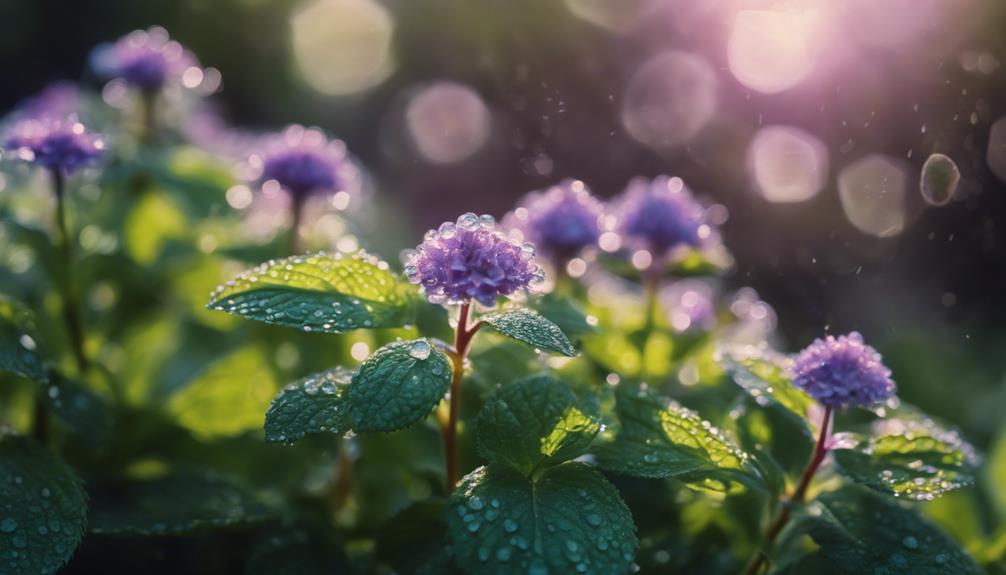
To grow peppermint successfully, you'll need to provide optimal growing conditions. Temperature-wise, aim for 60°F to 80°F, avoiding extreme temperatures. Give your peppermint partial sunlight, and plant it in well-draining soil with a pH between 6.0 and 7.0. Consistent moisture levels and a humid environment with 40-60% relative humidity are also essential.
By meeting these conditions, you'll be well on your way to growing healthy, thriving peppermint. As you explore further, you'll discover more nuances to mastering the art of peppermint cultivation. With the right conditions and a bit of TLC, you'll be enjoying fresh, fragrant peppermint in no time.
Key Takeaways
- Peppermint thrives in temperatures between 60°F (15°C) and 80°F (27°C) for optimal growth, and temperatures outside this range should be avoided.
- The ideal lighting condition for peppermint is partial sunlight, which can be achieved through east- or west-facing windows that provide gentle, indirect sunlight. Direct sunlight can cause scorching and should be avoided.
- Peppermint favors well-draining soil with a pH between 6.0 and 7.0, rich in organic matter, and moderate to high levels of nutrients.
- Consistent moisture levels are essential for peppermint growth. The frequency of watering depends on climate, soil type, and pot size. Overwatering should be avoided, as it can lead to root rot.
- Maintaining a relative humidity of 40-60% is crucial. This can be achieved by placing the pot on a tray with water and pebbles, grouping plants together, or misting leaves regularly.
Temperature Requirements for Peppermint
Peppermint thrives in temperatures between 60°F (15°C) and 80°F (27°C), making it suitable for indoor containers or outdoor gardens in temperate climates. This optimal temperature range enables rapid growth and maintains the plant's characteristic flavor and aroma. Temperatures outside this range can negatively impact peppermint's growth and quality.
When growing peppermint indoors, avoid placing it near heating vents, fireplaces, or drafty windows, which can cause temperature fluctuations. Instead, position it near a north-facing window or under grow lights to maintain a consistent temperature. For outdoor gardens, choose a location that receives morning sun and afternoon shade to regulate the temperature.
Peppermint can tolerate a slight drop in temperature at night, but prolonged exposure to frost can be detrimental. In areas with harsh winters, consider bringing potted peppermint plants indoors during the colder months or using row covers to protect them from frost.
Ideal Sunlight Conditions for Growth
Peppermint plants require partial sunlight to photosynthesize efficiently, thriving in spots that receive direct sunlight for 4-6 hours, accompanied by indirect sunlight or shade for the remaining hours. Direct sunlight for extended periods should be avoided, as it can cause scorching and hinder plant growth. East- or west-facing windows are ideal, providing gentle, indirect sunlight.
When growing peppermint outdoors, select a location that receives morning sun and afternoon shade, ensuring the perfect balance of light and shade. For container-grown peppermint, take advantage of the sun's movement by easily relocating the plants.
Note that peppermint plants grown in full shade may become leggy and weak, whereas those grown in partial sunlight will be bushy and healthy. To filter intense sunlight, especially in warmer climates, use sheer curtains or shades. This approach will promote optimal growth and prevent scorching.
Soil Preferences for Peppermint
Peppermint plants thrive in well-draining soil with a pH between 6.0 and 7.0, allowing for efficient nutrient absorption. They prefer a slightly acidic to neutral soil environment, which enables the roots to absorb necessary nutrients for healthy growth.
In terms of soil type, peppermint plants favor soil rich in organic matter, as they feed on decaying plant material. Avoid heavy clay or sandy soils, which can hinder root growth and lead to waterlogging.
The ideal soil characteristics for peppermint plants are:
| Soil Characteristic | Ideal Range |
|---|---|
| pH | 6.0-7.0 |
| Soil Type | Well-draining, rich in organic matter |
| Moisture Level | Consistently moist, but not waterlogged |
| Nutrient Availability | High in nitrogen, phosphorus, and potassium |
| Soil Texture | Loamy or silty loam |
Watering Needs for Healthy Growth
Proper hydration is crucial for peppermint's healthy growth, as consistent moisture levels help maintain growth and prevent water stress. To ensure optimal care, the soil should be consistently moist but not waterlogged, as overwatering can lead to root rot, and underwatering can cause leaves to turn yellow and drop.
When watering, check the top inch of soil; if it feels dry to the touch, water the peppermint plant thoroughly, allowing excess water to drain through the pot's holes. Avoid getting water on the leaves to prevent fungal diseases. You can also check the moisture level by sticking your finger into the soil up to the first knuckle. If the soil feels dry, it's time to water.
Watering frequency depends on climate, soil type, and pot size. Typically, peppermint plants require watering every 2-3 days during hot summer months and once a week during cooler seasons. However, containers may need more frequent watering due to limited soil volume.
Humidity Levels for Optimal Growth
Maintaining a humid environment is crucial for optimal peppermint growth, as it replicates the plant's natural habitat. Peppermint thrives in moist environments, and understanding how to achieve ideal humidity levels is essential for its growth and overall health.
To create an optimal humid environment, aim for a relative humidity of 40-60%. This range allows the peppermint plant to absorb necessary moisture while minimizing the risk of fungal diseases that thrive in excessively humid conditions.
To maintain optimal humidity levels:
Place the pot on a tray filled with water and pebbles to increase surrounding humidity. Group plants together to create a microclimate that retains moisture. Avoid placing the peppermint plant near heating or air conditioning vents, which can dry out the air. Mist the leaves regularly, especially during dry weather, to provide an extra boost of moisture.
Zones and Climate Preferences
Peppermint thrives in USDA hardiness zones 4-9, tolerating a range of temperatures and climate conditions. It adapts to varying sunlight levels, from partial shade to full sun, but prefers cooler temperatures between 60°F to 80°F (15°C to 27°C). In warmer climates, provide afternoon shade to prevent scorching.
Consistent moisture is essential, especially for young peppermint. Aim for 1-2 inches of water per week through rainfall or irrigation, but avoid overwatering, which can lead to root rot in waterlogged soil.
Peppermint thrives in relative humidity levels between 40% and 80%, making it suitable for indoor gardens or outdoor containers. However, maintain good air circulation to prevent fungal diseases that thrive in humid environments.
Soil Ph and Fertility Levels
Peppermint thrives in well-draining soil with a pH between 6.0 and 7.0, as it's sensitive to extreme acidity or alkalinity. To prevent root damage, avoid soils with high salt concentrations. Peppermint requires moderate to high levels of nutrients, particularly nitrogen, phosphorus, and potassium.
For optimal growth, consider the following soil characteristics:
- A rich organic matter content (at least 2-3%) to retain moisture and regulate soil temperature.
- Good aeration to prevent root rot and promote healthy root development.
- A balanced nutrient profile with adequate micronutrients like iron, zinc, and boron.
- Low salt concentrations (less than 0.5 mmhos/cm) to prevent root damage.
Pruning and Maintenance Tips
To promote bushy growth and prevent legginess, prune peppermint plants to one-third of their height regularly. Make clean cuts just above a node using sharp, clean scissors or pruning shears. Remove weak or spindly growth and trim long stems to encourage branching, promoting a fuller plant with more leaves ideal for harvesting.
Regularly inspect plants for pests and diseases, taking prompt action if issues arise. Common pests targeting peppermint include aphids, whiteflies, and spider mites. Check leaf and stem undersides for eggs, larvae, or pests.
Maintain plant health by providing adequate moisture and fertilization. Water when the top inch of soil feels dry, and fertilize during the growing season with a balanced, water-soluble fertilizer. Mulch around the base to retain moisture, suppress weeds, and regulate soil temperature. Following these pruning and maintenance tips ensures a bountiful harvest of fresh, fragrant peppermint.
Spacing and Planting Guidelines
When planting peppermint, space each crown or division 12-18 inches apart to allow for air circulation and prevent overcrowding, giving roots room to spread and absorb nutrients. Plant in partial shade to full sun, depending on the climate; provide shade in hot and dry regions to prevent scorching.
Before planting, loosen the soil to a depth of 12-18 inches and mix in organic matter like compost or well-rotted manure to improve drainage and fertility. Add a balanced fertilizer to boost growth.
Plant peppermint in the spring or fall when the weather is cooler and rainfall is consistent. Water regularly, avoiding overwatering that can lead to root rot. Mulch around plants to retain moisture and suppress weeds. Divide and replant every 3-4 years to maintain health and vigor.
Dealing With Common Pests
When growing peppermint, it's common to encounter aphids, spider mites, and whiteflies, which can weaken plants, reduce yields, and spread disease if left unchecked. Regularly inspect your plants for signs of infestation, such as curled or distorted leaves, sticky honeydew droplets, or actual pests on the undersides of leaves.
To control aphids, use neem oil or insecticidal soap, thoroughly spraying plants and repeating as necessary. Spider mites are more challenging to eliminate, but raising humidity by spraying plants with water daily can help. Horticultural oil or insecticidal soap can also be used to kill them.
Introduce natural predators like ladybugs or lacewings to manage whiteflies, which feed on these pests. Sticky traps can also capture adult whiteflies. Maintain good garden hygiene by removing weeds, disposing of infested plants, and sanitizing tools to prevent pest spread.
Regularly monitor your peppermint plants and take action at the first sign of pest activity. By staying vigilant and using the right control methods, you can protect your peppermint crop from these common pests and enjoy a healthy, thriving harvest.
Frequently Asked Questions
Can Peppermint Be Grown in Containers or Indoor Pots?
Peppermint can thrive in containers or indoor pots if provided with bright indirect light and consistent moisture. Regular pruning is necessary to prevent it from becoming leggy.
How Often Should Peppermint Be Fertilized for Optimal Growth?
For optimal growth, peppermint plants should be fertilized every 1-2 weeks during the growing season. A balanced, water-soluble fertilizer is recommended to promote healthy growth and maintain the plant's characteristic minty flavor.
Can Peppermint Be Grown From Cuttings or Division?
Peppermint can be easily propagated through stem cuttings or division, as it is a hardy and fast-spreading herb. To propagate through stem cuttings, snip 4-6 inch stems from the mother plant, remove lower leaves, and plant them in well-draining soil or water, keeping the soil consistently moist until roots develop. Division involves separating established plants, replanting the separated sections, and keeping the soil consistently moist until the new plants are established. Both methods are effective ways to propagate peppermint.
Is Peppermint a Perennial or Annual Herb?
Peppermint is a hardy perennial herb, meaning it will come back year after year if provided with the right conditions.
Can Peppermint Be Grown in Partial Shade or Full Sun Only?
Peppermint can be grown in partial shade or full sun, but it thrives best in areas with indirect sunlight, especially in warmer climates where direct sun can be intense.
Conclusion
You've successfully navigated the world of peppermint growing conditions! Did you know that peppermint is one of the most widely cultivated herbs globally, with over 90% of the world's supply coming from the United States?
To recap, peppermint thrives in temperatures between 60-80°F, partial shade, well-draining soil, and moderate watering. Maintain humidity levels around 40-50%, prune regularly, and space plants 12-18 inches apart. With these conditions met, you'll be enjoying fresh, fragrant peppermint in no time! With Gardening Fire, you can trust that your peppermint plants will flourish under these ideal conditions.