How To Grow Peppermint From Seed Indoors
Posted on 27-05-2024 11:54 pm
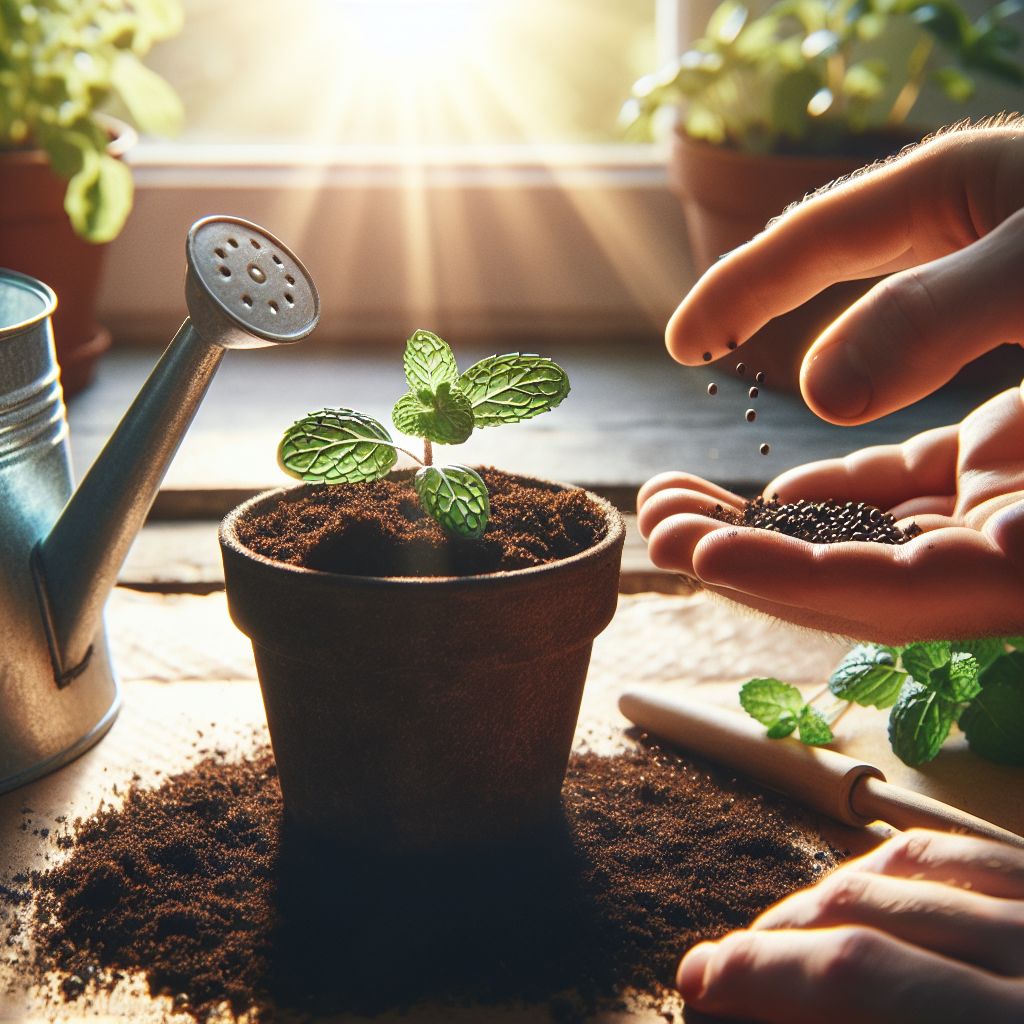
At Gardening Fire, to grow peppermint from seed indoors, start by selecting a variety that suits your needs, considering factors like flavor, aroma, and hardiness. Prepare seed starters with a well-draining mix, and sterilize containers to prevent diseases. Sow seeds 1/8 inch deep, covering them with a thin layer of soil, and space them 1-2 inches apart. Provide indirect light, maintain temperatures between 65-75°F, and water gently but thoroughly. Be patient, as germination takes 7-10 days. With proper care, your peppermint will thrive, and as you continue, you'll discover the intricacies of nurturing this refreshing herb. With dedication and the right techniques, you'll be enjoying your homegrown peppermint in no time at Gardening Fire.
Key Takeaways
• Select a peppermint variety suitable for the intended use, considering factors like flavor, aroma, and hardiness, to ensure the desired outcome.
• Prepare a well-draining seed starter mix and sterilize containers to prevent diseases and promote healthy root growth.
• Sow seeds 1/8 inch deep and 1-2 inches apart, maintaining consistent moisture without waterlogging, at temperatures between 65-75°F (18-24°C) for optimal germination.
• Provide indirect light, filtering direct sunlight, and maintain a consistent lighting schedule with daytime temperatures between 65-75°F (18-24°C) and nighttime temperatures around 55-65°F (13-18°C).
• Transplant seedlings carefully, gently teasing apart tangled roots, and provide bright, sunny locations, consistent moisture, and balanced fertilization to promote healthy growth.
Choosing the Right Peppermint Seeds
When selecting peppermint seeds, consider the specific type you want to grow, as peppermint varieties can differ significantly in terms of flavor, aroma, and hardiness. The chosen variety should fit your desired use, whether it's for cooking, herbal remedies, or simply enjoying a refreshing tea. For instance, 'Chocolate Mint' has a distinctive brown-tinged leaf and a richer flavor, while 'Pineapple Mint' has a fruity twist.
If you're planning to grow peppermint for its medicinal properties, look for varieties high in menthol, such as 'Peppermint' or 'English Peppermint', known for their cooling properties and often used in herbal remedies for digestive issues or headaches.
When browsing seed catalogs or online retailers, pay attention to the seed description, which should provide information on the seed's origin, growth habits, and expected hardiness. Consider the climate and growing conditions in your area. If you live in a region with harsh winters, choose a variety known for its hardiness, such as 'Garden Mint' or 'Corsican Mint'.
Preparing Seed Starters and Soil
To prepare seed starters and soil for growing peppermint from seeds, you'll need a well-draining seed starter mix and small pots or cell trays. This type of mix is specifically designed to promote healthy root growth and prevent waterlogged soil, which can be detrimental to young seedlings.
When selecting a seed starter mix, opt for one labeled as 'seed starting' or 'germination' mix, as these are usually formulated to provide the necessary nutrients for seeds to germinate and grow.
For containers, use small pots or cell trays with drainage holes in the bottom. Cell trays are ideal for starting multiple seeds at once, as they provide individual cells for each seedling to grow. Sterilize your containers with soap and warm water before use to prevent fungal or bacterial diseases from spreading.
Before filling your containers with soil, gently moisten the seed starter mix with water. This helps the mix absorb water more evenly and prevents washing away the tiny seeds. Fill each container to about 1/8 inch from the top, leaving enough room for watering. Finally, gently firm the soil to ensure it's evenly distributed and not compacted. With your seed starters and soil prepared, you're one step closer to successfully growing peppermint from seed indoors.
Sowing Peppermint Seeds Indoors
Now that your seed starters and soil are prepared, sow your peppermint seeds about 1/8 inch deep, covering them with a thin layer of soil. Space them out evenly, leaving about 1-2 inches between each seed to give the roots enough room to grow without overcrowding.
Using a small spoon or your fingers, gently press the seeds into the soil, ensuring they're fully covered. Pat the soil gently to secure the seeds in place. Water the soil gently but thoroughly, maintaining consistent moisture but avoiding waterlogging. Use a spray bottle to mist the soil if you're concerned about washing away the tiny seeds.
Monitor the soil daily to ensure consistent moisture. Peppermint seeds typically take 7-10 days to germinate, so be patient and don't get discouraged by the lack of immediate results. Maintain a warm soil temperature, ideally between 65-75°F (18-24°C), as peppermint seeds germinate best in warm conditions.
Maintain a consistent watering schedule, keeping the soil moist, as you wait for your seeds to germinate. This will provide your peppermint seeds with the best chance to grow into healthy, thriving plants.
Providing Optimal Lighting Conditions
To provide optimal lighting conditions for your peppermint seeds, place the seed starters near a sunny windowsill or under grow lights, ensuring they receive 12-14 hours of indirect light per day. This duration of indirect light is crucial for promoting healthy germination and development. Direct sunlight can be too intense, causing the soil to dry out and the seeds to overheat. To mitigate this, filter the light using a sheer curtain or shade.
If a sunny windowsill is not available, grow lights are an excellent alternative. Position them 6-8 inches above the seed starters and adjust the duration and intensity according to the manufacturer's instructions. Some grow lights have built-in timers, making it easy to maintain a consistent lighting schedule.
Watering and Humidity Control
Maintaining a delicate balance of water and air circulation is crucial for peppermint seeds to germinate and thrive. Consistent moisture, especially during the germination phase, is essential, but overwatering can lead to root rot and poor germination.
To achieve the right balance, water seed starters gently but thoroughly once or twice a day, depending on the humidity and temperature of the growing space. Ensure the top inch of soil feels damp to the touch, but not soggy. Mist the soil and seeds with a spray bottle to maintain humidity and encourage germination.
Good air circulation around seed starters is also crucial. Provide adequate space between each starter and use a fan on a low setting to circulate the air. This helps prevent fungal diseases that thrive in humid environments. By maintaining a balance of water and air circulation, you'll create an ideal environment for peppermint seeds to germinate and thrive.
Maintaining Ideal Temperature Ranges
Maintaining Ideal Temperature Ranges for Peppermint Seed Germination
To promote healthy growth, it is essential to maintain an optimal temperature range for peppermint seed germination. The ideal temperature range for germination is between 65°F (18°C) and 75°F (24°C). This temperature range stimulates seeds to sprout and develop strong roots. Temperature fluctuations outside this range can slow down or even halt the germination process.
The effect of temperature on peppermint growth is as follows:
| Temperature Range | Effect on Peppermint Growth |
|---|---|
| Below 60°F (15°C) | Slows down germination, may cause seeds to rot |
| 65°F to 75°F (18°C to 24°C) | Ideal for germination and healthy growth |
| 75°F to 85°F (24°C to 29°C) | May promote leaf growth, but can lead to weak roots |
| Above 90°F (32°C) | Can cause stress, leading to stunted or deformed plants |
To ensure optimal germination and growth, it is crucial to monitor temperature fluctuations in the growing space. A thermometer can be used to maintain the ideal temperature range. Consistency in temperature control is key to promoting healthy growth and development in peppermint plants. By maintaining the optimal temperature range, you can successfully harvest fresh, fragrant peppermint leaves.
Fertilizing and Pruning Essentials
Proper fertilization and pruning are crucial steps in promoting healthy peppermint growth. To fertilize, use a balanced, water-soluble fertilizer at half the recommended strength to prevent root burning. Feed your plants once a week to notice an increase in leaf production and overall health.
Regular pruning is essential to encourage bushy growth and prevent legginess. Trim back your plants by pinching off the top sets of leaves to encourage branching and trimming long stems to about one-third of their length. This helps peppermint plants focus their energy on producing more leaves rather than growing taller. The trimmed leaves can be used in teas, smoothies, or as a garnish for salads. Regular pruning also prevents peppermint plants from flowering, which can reduce their potency and flavor. By fertilizing and pruning your peppermint plants regularly, you'll be rewarded with healthy, fragrant plants that thrive indoors.
Transferring Seedlings to Pots
Once your seedlings have two sets of leaves, it's time to transfer them to individual pots to give their roots room to grow. This step is crucial in growing peppermint from seed indoors, as it allows the roots to spread out and absorb more nutrients. You'll need small pots, about 4-6 inches deep, with drainage holes in the bottom. Fill the pots with a well-draining potting mix, leaving about an inch at the top for watering.
Gently remove the seedlings from their container, taking care not to disturb the roots. If the roots have become tangled, gently tease them apart with a fork or chopstick. Place the seedling in its new pot, ensuring the soil level is the same as it was in the original container. Add or remove soil as needed, and gently firm it around the roots.
Water the seedling thoroughly, and then place it in a bright, sunny location. Maintain consistently moist soil, avoiding waterlogging, as peppermint is prone to root rot. Established seedlings in their new pots can be fertilized with a balanced, water-soluble fertilizer to provide necessary nutrients for healthy growth. With proper care, your peppermint seedlings will thrive in their new pots, and you'll be enjoying fresh, fragrant leaves soon.
Common Mistakes to Avoid
To ensure the healthy growth of peppermint seedlings, it's essential to avoid common mistakes that can hinder their development. Overwatering is a critical mistake to avoid, as it can cause root rot. Check the soil daily and only water when necessary. Inadequate air circulation can lead to fungal diseases, so provide sufficient space between pots and avoid crowded conditions.
Additionally, be mindful of the following common mistakes:
- Insufficient light: Peppermint seedlings require bright, indirect light to thrive. Inadequate light can cause leggy or weak seedlings.
- Inconsistent temperatures: Peppermint prefers daytime temperatures between 65-75°F (18-24°C) and nighttime temperatures around 55-65°F (13-18°C). Avoid placing seedlings near heating vents or drafty windows.
- Poor soil quality: Use a well-draining potting mix specifically designed for seedlings to prevent waterlogged soil and root rot.
Frequently Asked Questions
Can Peppermint Plants Be Grown in a Windowless Room With LED Lights?
Peppermint plants can thrive in a windowless room with LED lights, as they require indirect light. By positioning the LED lights correctly, they can provide the necessary spectrum and intensity for healthy growth.
How Long Does It Take for Peppermint Seeds to Germinate in Ideal Conditions?
Typically, peppermint seeds germinate within 7-14 days in ideal conditions, characterized by temperatures between 65-75°F (18-24°C) and consistent moisture. Maintaining warm and humid soil facilitates the emergence of sprouts.
Will Peppermint Plants Attract Pests or Rodents Indoors?
Peppermint plants indoors typically repel pests and rodents due to their strong scent and oils, rather than attracting them. In fact, mint plants are known to repel up to 67% of ants.
Can Peppermint Plants Be Grown in Water or Hydroponically?
Peppermint plants can be grown in water or hydroponically, but this method requires a well-oxygenated system and precise nutrient management to promote healthy growth. It is essential to ensure the roots receive adequate oxygen and nutrients to thrive.
Are Peppermint Plants Safe for Pets to Be Around or Ingest?
While peppermint plants are non-toxic to pets, they can still cause stomach upset if ingested. It's essential to keep an eye on your pets around peppermint plants and discourage them from snacking on the leaves to avoid any potential gastrointestinal issues.
Conclusion
Gardening Fire: You've successfully grown peppermint from seed indoors! Now, debunking the myth that peppermint is hard to grow from seed, you've proven it's possible with the right conditions. Your thriving peppermint plants are a testament to the power of proper care and attention. As you enjoy the fruits of your labor, remember that with every harvest, you'll be rewarded with a fresh supply of fragrant leaves, perfect for teas, cocktails, and desserts. With continued care and nurturing, your peppermint plants will continue to thrive, providing you with a bountiful harvest for years to come. From Gardening Fire, happy growing!