How To Grow Peppermint From Seed
Posted on 27-05-2024 02:54 pm
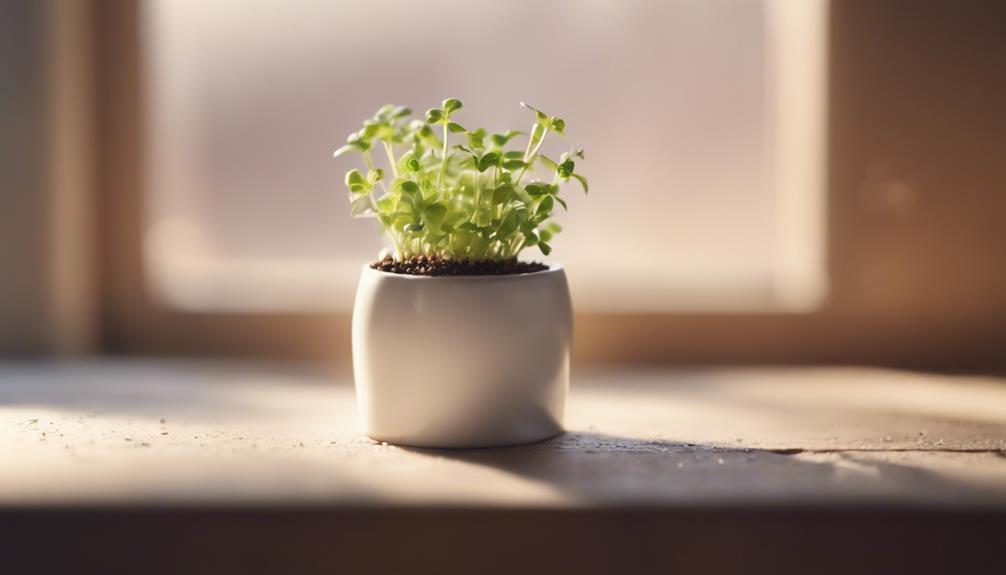
At Gardening Fire, growing peppermint from seed can be a rewarding experience with the right techniques. You'll start by selecting high-quality peppermint seeds certified by reputable organizations, considering factors like maturity days, type, and hardiness. Prepare the soil by loosening the top 12-18 inches, removing debris, and testing the pH level. Sow seeds 1/8 inch deep and 1-2 inches apart, then gently rake the soil and water thoroughly. Ensure full sun to partial shade, good air circulation, and optimal temperatures between 65°F and 75°F. Consistent moisture levels, humidity, and harvesting at the right time will promote healthy growth. As you progress, you'll uncover more secrets to maximizing your peppermint harvest. By following these steps and staying committed, you'll be well on your way to a thriving peppermint crop at Gardening Fire.
Key Takeaways
• Select high-quality peppermint seeds certified by reputable organizations, such as the International Organization for Standardization (ISO) or the Association of Official Seed Analysts (AOSA), to ensure optimal germination rates and healthy plant growth.
• Loosen the top 12-18 inches of soil to create room for the roots to spread out and thrive, as peppermint roots can grow quite extensive.
• Sow peppermint seeds about 1/8 inch deep and 1-2 inches apart in the loosened soil bed, ensuring even spacing to prevent overcrowding and promote healthy growth.
• Maintain temperatures between 65°F and 75°F (18°C and 24°C) for optimal growth and essential oil development, as temperatures outside this range can negatively impact plant development.
• Water the soil gently but thoroughly, maintaining consistent moisture levels without waterlogging, which can lead to root rot and other problems.
Choosing the Right Seeds
When selecting peppermint seeds, it's crucial to opt for high-quality varieties that excel in flavor, aroma, and hardiness. This ensures optimal results from your peppermint plants. Look for seeds certified by reputable organizations, such as the United States Department of Agriculture (USDA) or the International Organization for Standardization (ISO), which guarantee the seeds meet certain standards for quality and purity.
Another vital factor to consider is the seed's maturity days, which can range from 60 to 120 days, depending on the variety. If you live in an area with a short growing season, choose a variety with a shorter maturity period.
You should also consider the type of peppermint you want to grow, as there are several varieties, including chocolate mint, pineapple mint, and spearmint, each with its unique flavor and aroma. Select the one that suits your needs.
Lastly, ensure you purchase seeds from a reputable supplier, as this is crucial for obtaining high-quality seeds. Research the supplier by reading reviews and checking their ratings to guarantee a successful start in growing healthy and flavorful peppermint plants.
Preparing the Soil Bed
To prepare the soil bed for peppermint, loosen the top 12-18 inches of soil using a shovel or garden fork to create room for the roots to spread out and thrive. Remove any debris, rocks, or weeds that could compete with your peppermint plants for water and nutrients. Break up any clods or compacted areas as you work.
🌿 Want to add a refreshing twist to your garden? Check out this guide on how to grow peppermint from seeds! Perfect for adding a burst of flavor to your culinary creations or a calming aroma to your space. https://t.co/HkmFOgbqov#gardening #peppermint #greenfingers 🌱
— gardeningfire (@gardeningfire) April 16, 2024
Before planting, test the pH level of your soil to ensure it's suitable for peppermint. Peppermint prefers slightly acidic to neutral soil, with a pH between 6.0 and 7.0. If your soil is too alkaline, add peat moss or sulfur to lower the pH. Conversely, if your soil is too acidic, add lime to raise the pH.
Sowing Peppermint Seeds
Sow peppermint seeds about 1/8 inch deep and 1-2 inches apart in the loosened soil bed, ensuring even spacing to prevent overcrowding, which can lead to reduced growth and increased competition for resources. You can also sow the seeds in rows, with each row about 6-8 inches apart.
Gently rake the soil to cover the seeds, and consider using a thin layer of vermiculite or peat moss to aid germination. Water the soil gently but thoroughly, maintaining consistent moisture levels without waterlogging.
When sowing peppermint seeds, keep the following tips in mind:
Avoid sowing seeds too deeply, as this can lead to poor germination rates. Water the soil gently but thoroughly after sowing, and maintain consistent moisture levels during the germination period. If sowing seeds indoors, ensure the soil temperature is around 65-75°F (18-24°C) for optimal germination.
Providing Optimal Conditions
To provide optimal conditions for peppermint plants, ensure they receive full sun to partial shade, with direct sunlight for at least four hours daily. This promotes healthy growth and essential oil development in the leaves. Choose a location with good air circulation to prevent fungal diseases.
Soil quality is crucial, and peppermint prefers a pH between 6.0 and 7.0, slightly acidic to neutral. Enrich the soil with organic matter, such as compost or well-rotted manure, as peppermint roots appreciate the extra nutrients.
Temperature-wise, peppermint plants thrive in temperatures between 65°F and 75°F (18°C and 24°C). Avoid placing them near heating vents or extreme temperatures, which can cause stress and hinder growth. By providing optimal conditions, you'll be rewarded with a thriving peppermint plant rich in fragrance and flavor.
Watering and Humidity
Peppermint plants require consistent moisture, especially during periods of new growth. Check the soil daily and water when the top inch of soil feels dry to the touch. Water thoroughly, ensuring the pot drains well to prevent waterlogged soil. Overwatering can lead to root rot and other issues.
To maintain optimal humidity, cover the pot with a clear plastic bag or cloche, creating a microclimate that retains moisture and promotes healthy growth. Periodically remove the covering to prevent fungal diseases.
Grouping plants together creates a microclimate that maintains humidity and reduces transpiration. Gently misting the leaves with water increases humidity and promotes healthy growth. Keep peppermint plants away from drafts and breezy areas, which can quickly dry out the soil and reduce humidity.
Dealing With Common Pests
Regularly inspect your peppermint plants for signs of pests, as aphids, spider mites, and whiteflies can quickly infest and weaken them. Infestations can cause curled or distorted leaves, yellowing, and stunted growth. Inspect your plants closely for tiny eggs, larvae, or actual pests on the undersides of leaves or on stems if you notice any of these symptoms.
Aphids can spread disease and secrete honeydew, a sticky substance that attracts ants and promotes fungal growth. Spider mites spin fine webs and cause yellowing or bronzing of leaves. Whiteflies, characterized by their fluttering, can transmit diseases and excrete honeydew.
To manage these pests, isolate infested plants to prevent the problem from spreading. Spray plants with a strong jet of water to dislodge pests, and then treat them with neem oil or insecticidal soap according to the product's instructions. Repeat the treatment every few days to target all life stages of the pests. For severe infestations, consider introducing natural predators like ladybugs or lacewings, which prey on these pests. By staying vigilant and taking prompt action, you can protect your peppermint plants from these common pests and ensure a healthy, thriving crop.
Pruning for Healthy Growth
Pruning for Healthy Growth
Pruning is a crucial step in growing healthy peppermint plants. By pruning your peppermint plants regularly, you'll encourage bushy growth, prevent them from flowering, and increase their overall yields. All you need is a pair of clean scissors or pruning shears, and a few minutes of your time.
Prune your peppermint plants by:
- Pinching off the tips: Remove the top set of leaves from the stem to encourage the plant to branch out and become bushier.
- Trimming back leggy stems: Cut back long, leggy stems to about half their height to promote new growth and prevent the plant from flowering.
- Removing weak or damaged leaves: Remove any weak, damaged, or diseased leaves to prevent the spread of disease and encourage healthy growth.
Transfating to Larger Containers
When your peppermint plants outgrow their containers, upgrading to larger pots is crucial to accommodate their expanding root systems. This prevents the roots from becoming pot-bound, which stunts plant growth. Select a new container that's at least 1-2 sizes larger than the current one, ensuring it has drainage holes to prevent waterlogged soil.
Before transferring the plant, prepare the new pot by filling it with a well-draining potting mix. Adding a layer of compost or fertilizer provides an extra boost. Gently remove the plant from its current container, taking care not to disturb the roots. Place the plant in its new home, adjusting the potting mix as needed to maintain the same soil level. Water the plant thoroughly after transplanting to settle the soil.
Handle the roots with care, as peppermint roots are delicate. If roots are tangled or circling, gently tease them apart with your fingers or a blunt instrument. After transplanting, maintain consistently moist soil, avoiding waterlogging. Monitor your plant's progress, and it will soon thrive in its new home.
Harvesting and Storage Tips
Harvesting and Storage Tips
Once your peppermint plant is thriving, you can start harvesting individual leaves or stems to use fresh or dry them for later use. Pinch off individual leaves as needed, or cut off entire stems to dry for tea or other uses. When harvesting, leave at least two sets of leaves on the stem to allow the plant to continue growing.
Harvest in the morning, when peppermint leaves are typically at their most potent, after the dew has dried but before the heat of the day.
To dry peppermint leaves, tie them in small bunches and hang them upside down in a warm, dry, dark place. Store dried leaves in airtight containers to preserve flavor and aroma.
If you plan to use fresh peppermint leaves within a few days, store them in a sealed container or plastic bag in the refrigerator to keep them fresh.
Remember to harvest your peppermint plant with care, as over-harvesting can weaken the plant. By following these harvesting and storage tips, you'll be able to enjoy the benefits of your homegrown peppermint for months to come.
Frequently Asked Questions
Can Peppermint Seeds Be Started Indoors in the Winter?
You can start peppermint seeds indoors during winter, but ensure they receive sufficient indirect light, typically 12-14 hours, and maintain a consistent temperature between 65-75°F (18-24°C) for optimal germination.
Will Peppermint Plants Attract Beneficial Pollinators Like Bees?
Peppermint plants attract beneficial pollinators, including bees and butterflies, which are drawn to the plant's fragrant flowers and sweet nectar.
Can Peppermint Be Grown in Partial Shade or Full Sun Only?
Peppermint can grow in partial shade, but it thrives in full sun, requiring a minimum of 4-6 hours of direct sunlight daily.
Are Peppermint Plants Safe for Pets to Be Around or Ingest?
Peppermint plants are generally non-toxic to pets, but ingesting large quantities can cause stomach upset. It's best to keep them out of reach to avoid any potential gastrointestinal issues.
Can Peppermint Be Grown in Water or a Hydroponic System?
Growing peppermint hydroponically is possible by using a nutrient-rich solution with proper pH and temperature control. This method allows for precise control over the nutrients and environment, which can result in healthier and more robust peppermint plants.
Conclusion
Gardening Fire is excited to share with you the joy of growing peppermint from seed! Did you know that peppermint is one of the most widely consumed herbs, with over 200 million pounds used annually in the United States alone? With your new peppermint plants, you can now enjoy its refreshing flavor and aroma in teas, cocktails, and desserts. Remember to prune regularly to promote healthy growth, and harvest leaves before flowering to ensure optimal flavor and aroma. Happy growing with Gardening Fire!