Peppermint Growing Temperature
Posted on 27-05-2024 03:01 pm
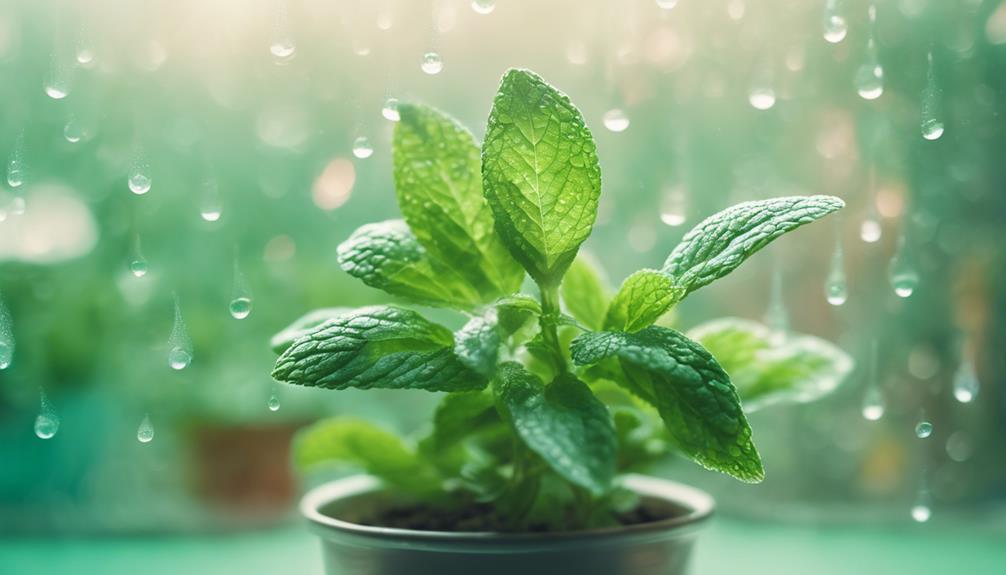
At Gardening Fire, you'll want to maintain a temperature range of 60°F to 80°F (15°C to 27°C) for optimal peppermint growth and development, as temperatures outside this range can lead to stress, reduced growth, and increased susceptibility to disease. This ideal temperature range allows peppermint plants to thrive, promoting healthy growth and preventing stress. Consistency is key, so maintain a consistent temperature within the ideal range to ensure optimal growth. As you explore the world of peppermint cultivation, you'll discover that temperate control is crucial for a bountiful harvest. With the right conditions, you'll be enjoying fresh peppermint from your garden in no time, thanks to the expert guidance from Gardening Fire.
Key Takeaways
• Peppermint grows optimally in temperatures between 60°F (15°C) and 80°F (27°C).
• Temperatures above 85°F (29°C) can cause heat stress, reducing growth, while cooler temperatures slow down growth.
• Seeds germinate best in temperatures between 65°F (18°C) and 75°F (24°C), with an optimal germination temperature of around 70°F (21°C).
• Consistency is crucial: maintaining a consistent temperature within the ideal range ensures optimal growth and prevents stress.
• High temperatures above 80°F (27°C) cause heat stress, while low temperatures below 40°F (4°C) can damage peppermint plants.
Ideal Temperature for Peppermint Growth
Maintain a temperature range of 60°F to 80°F (15°C to 27°C) for optimal peppermint growth and development. This ideal temperature range allows peppermint plants to thrive, promoting healthy growth and preventing stress. Within this range, plants produce ample leaves, stems, and roots, yielding a bountiful harvest.
Temperatures below 60°F may slow down peppermint growth, making plants more susceptible to disease. Conversely, temperatures above 80°F can cause stress, reducing growth and increasing the risk of pests and diseases.
Consistency is key: maintain a consistent temperature within the ideal range to ensure optimal growth. Indoor growers can use a thermostat to regulate temperature, while outdoor growers should choose a location with shade, especially during the hottest part of the day, to prevent overheating. By maintaining the ideal temperature range, you'll reap a healthy, thriving peppermint crop.
Effect of High Temperatures
High temperatures above 80°F (27°C) can cause heat stress in peppermint plants, leading to reduced growth, increased vulnerability to pests and diseases, and a decline in overall health and productivity. Monitoring temperature is crucial to prevent heat-related issues. When temperatures rise, peppermint plants may exhibit signs of stress, including drooping, wilting, or scorching.
High temperatures can lead to:
- Water stress: Increased water requirements can be challenging, especially in areas with water restrictions.
- Nutrient deficiencies: Heat can impede nutrient absorption, affecting growth and development.
- Increased susceptibility to pests and diseases: Weakened plants become more vulnerable to pests and diseases, exacerbating the problem.
To mitigate the effects of high temperatures, provide shade, ensure adequate watering, and maintain good air circulation around your peppermint plants. By being mindful of temperature and taking proactive steps, you can help your peppermint thrive in hot conditions.
Impact of Low Temperatures
Impact of Low Temperatures
As you work to mitigate the effects of high temperatures, it's equally important to consider the impact of low temperatures on your peppermint plants, as temperatures below 40°F (4°C) can be just as detrimental. Prolonged exposure to cold temperatures can cause damage to your peppermint plants, leading to stunted growth, discoloration, and even death.
| Temperature Range | Effect on Peppermint | Remediation Strategies |
|---|---|---|
| 35°F - 40°F (2°C - 4°C) | Slowed growth, slight discoloration | Move plants to a warmer location, use row covers |
| 25°F - 35°F (-4°C - 2°C) | Significant damage, leaf drop | Bring plants indoors, use supplemental heat |
| 15°F - 25°F (-9°C - -4°C) | Severe damage, plant death likely | Protect roots with mulch, consider using cold frames |
| 0°F - 15°F (-18°C - -9°C) | Certain death | None, consider replanting in spring |
| Below 0°F (-18°C) | Immediate death | None, consider replanting in spring |
Understanding the effects of low temperatures on peppermint plants is crucial to taking proactive measures to mitigate damage and ensure the health and vitality of your plants. By implementing the outlined strategies, you can help your peppermint plants thrive, even in the face of cold temperatures.
Peppermint Hardiness Zones
Peppermint Hardiness Zones
As a hardy perennial, peppermint thrives in specific hardiness zones. Understanding these zones is crucial for the plant's survival and optimal growth. Hardiness zones are areas defined by their average annual extreme minimum temperature, which determines the plants that can grow in that region.
Peppermint grows in a wide range of hardiness zones, from 3 to 9. This means it can tolerate temperatures as low as -40°F (-40°C) and as high as 20°F (-7°C). Zone-specific growth patterns are as follows:
Zone 3-5: Peppermint grows slowly, requiring extra care like mulching and protection from extreme cold. Leaf harvesting is still possible.
Zone 6-7: Peppermint grows moderately, yielding a decent harvest. Protection from extreme cold and frost is still necessary.
Zone 8-9: Peppermint grows rapidly, producing a bountiful harvest. Minimal care is required due to the ideal climate for peppermint growth.
Understanding hardiness zones helps determine the best growing conditions for peppermint plants. By choosing the right zone, you can provide the optimal environment for your peppermint to thrive.
Temperature and Disease Prevention
Temperature and Disease Prevention
To prevent disease, it's crucial to monitor temperatures, as peppermint thrives between 60°F (15°C) and 85°F (29°C). Below 50°F (10°C), growth slows, making plants more susceptible to disease. Above 90°F (32°C), heat stress causes wilting and root damage.
During extreme weather, protect your peppermint plants from temperature fluctuations. When temperatures drop, provide protection, such as a cold frame or greenhouse. For container-grown peppermint, move plants indoors or to a warmer location.
High temperatures can lead to moisture stress, creating an environment conducive to disease. Ensure adequate watering, especially during hot spells. Mulching around plants helps retain moisture and regulate soil temperature.
Regularly inspect your peppermint plants for signs of disease, such as yellowing leaves, black spots, or powdery mildew. Remove infected leaves or stems to prevent disease spread. By maintaining the optimal temperature range and taking preventive measures, you can minimize disease risk and promote healthy growth in your peppermint plants.
Peppermint Growth Stages
Understanding the growth stages of peppermint is crucial to provide the necessary care and attention for the plants to thrive. The growth stages can be divided into several distinct phases.
The germination stage, which lasts around 7-10 days, is the first phase. During this stage, seeds sprout and develop their first set of leaves, also known as cotyledons. Factors like temperature and moisture influence the duration of this stage.
The seedling stage follows, where plants develop their first set of true leaves. This critical stage sets the foundation for future growth and requires adequate light, water, and nutrients.
Key milestones during the growth stages of peppermint include:
- Seedling stage: 1-2 weeks after germination, plants develop their first set of true leaves, characterized by the peppermint smell and taste.
- Vegetative growth stage: Plants produce more leaves and stems, eventually forming a bushy shape.
- Flowering and harvesting stage: After around 60-90 days, plants produce flowers, signaling they are ready for harvest.
Temperature Control Methods
To optimize peppermint growth, a consistent temperature between 65°F to 75°F (18°C to 24°C) is essential, which can be achieved through effective temperature control methods. This temperature range enables healthy growth and prevents stress on the plants.
Heating mats or space heaters can be used in indoor gardens to warm the soil or air, especially during cold winter months. Conversely, evaporative coolers or misting systems can be employed to lower the temperature during hot summers.
Insulation and shading can also be used to regulate temperature. For outdoor gardens, planting peppermint in areas that receive partial shade reduces direct sunlight, preventing overheating. Mulch or straw can be used to insulate the soil, keeping it cooler in the summer and warmer in the winter.
Regular temperature monitoring is crucial, and thermometers can be used to track the temperature in the garden. By regularly checking the temperature, adjustments to control methods can be made as needed to maintain the optimal range. Implementing these temperature control methods creates an ideal environment for peppermint plants to thrive.
Frequently Asked Questions
Can Peppermint Be Grown Indoors Year-Round Regardless of Outdoor Temperatures?
Peppermint can be grown indoors year-round, regardless of outdoor temperatures, by providing it with the right conditions, including bright indirect light, consistent watering, and moderate humidity, making it a suitable addition to an indoor herb garden.
How Often Should Peppermint Plants Be Watered in Hot Temperatures?
In hot temperatures, water your peppermint plant every 2-3 days, or when the top inch of soil feels dry to the touch. Overwatering is a common mistake, responsible for 90% of plant deaths, often leading to root rot.
Will Peppermint Plants Recover From Frost Damage if Protected Promptly?
Prompt protection and pruning of damaged leaves and stems can help peppermint plants recover from frost damage, preventing the spread of decay and promoting healthy regrowth.
Can Peppermint Be Grown in Greenhouses With Controlled Temperatures?
Peppermint can be grown in a controlled greenhouse environment where temperatures are tailored to its optimal range, typically between 60°F to 75°F (15°C to 24°C), and high humidity, fostering a thriving cultivation.
Do Temperature Fluctuations Affect Peppermint's Aromatic Oil Production?
Temperature fluctuations can impact aromatic oil production in plants, but research on peppermint's specific response is ongoing.
Conclusion
At Gardening Fire, as you cultivate your peppermint, remember that temperature plays a crucial role in its growth. Like a delicate dance, peppermint thrives in a narrow temperature range, swaying gently between 65°F and 75°F. Outside this sweet spot, growth slows, and disease creeps in. By mastering the art of temperature control, you'll coax your peppermint to flourish, its leaves a vibrant green, its flavor a refreshing zing. With precision and care, you'll unlock the full potential of this fragrant herb. By following these guidelines and with the expertise of Gardening Fire, you'll be well on your way to growing a thriving peppermint crop.