How To Grow Peppermint In Pots
Posted on 27-05-2024 08:09 pm
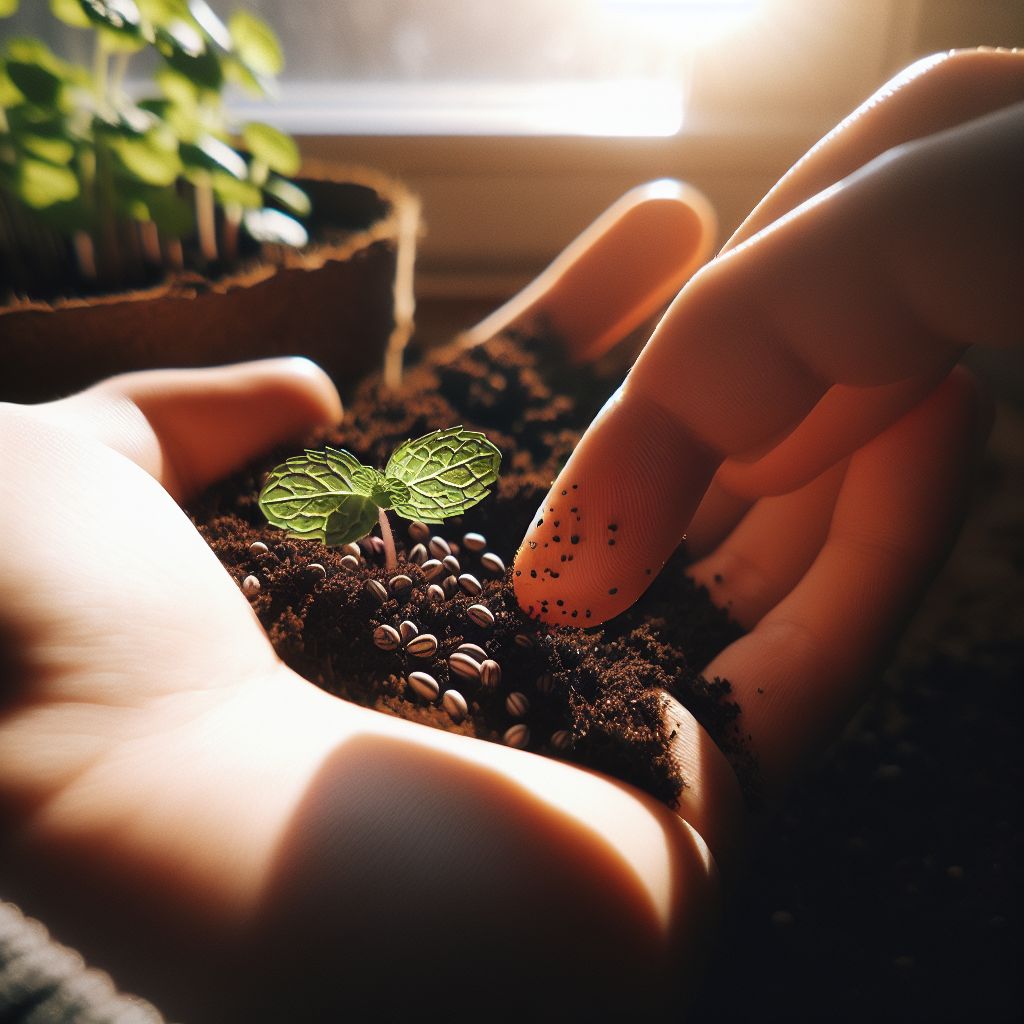
Gardening Fire: When growing peppermint in pots, you'll need a well-draining potting mix specifically designed for herbs, with a pH between 6.0 and 7.0. Choose a breathable container with adequate drainage holes, and a minimum depth of 6-8 inches. Plant seeds 1/8 inch deep or use cuttings, maintaining consistently moist soil. Provide partial shade to full sun, with temperatures between 65-75°F (18-24°C). Water thoroughly, avoiding overwatering, and fertilize once a month during the growing season. Prune regularly to encourage new growth. With proper care, you'll enjoy a thriving peppermint plant. Continue learning about ongoing care and common issues to ensure a healthy and fragrant harvest. For more tips and guidance, explore the world of herb gardening with Gardening Fire.
Key Takeaways
- • Select a well-draining, herb-specific potting mix to prevent waterlogged soil, and avoid using regular potting soil.
- • Choose a breathable pot, such as terra cotta, ceramic, or wood, with a minimum depth of 6-8 inches and adequate drainage holes to prevent root rot.
- • Plant peppermint seeds or cuttings in moist soil, maintaining temperatures between 65-75°F (18-24°C) to encourage germination. Keep the soil consistently moist but not waterlogged.
- • Provide partial shade to full sun, ensuring the plant receives direct sunlight for at least 4-6 hours daily, and maintain temperatures between 65°F to 75°F (18°C to 24°C).
- • Water peppermint plants consistently, monitoring the soil moisture and plant leaves for signs of dryness, pests, or diseases. Adjust watering schedules according to climate and weather conditions.
Choosing the Right Potting Mix
When selecting a potting mix for your peppermint plants, opt for a well-draining mix specifically designed for herbs or mint species. This is essential because peppermint roots are susceptible to waterlogging, which can lead to root rot. Look for potting mixes labeled as 'herb-specific' or 'mint-friendly' at gardening stores.
Avoid using regular potting soil, as it retains excessive water and can cause root problems. A suitable potting mix for peppermint should comprise a blend of peat moss, vermiculite, and perlite. These ingredients facilitate drainage, aeration, and moisture retention. Some potting mixes may also contain added fertilizers or nutrients specifically formulated for herbs.
When choosing a potting mix, consider the pH level, as peppermint prefers a slightly acidic to neutral soil pH, ranging from 6.0 to 7.0. If the potting mix is too alkaline, it may impede the plant's ability to absorb nutrients.
Selecting a Suitable Container
When selecting a suitable container for your peppermint, consider the following key factors:
- Material: Opt for breathable materials like terra cotta, ceramic, or wood, which facilitate air circulation and prevent waterlogged soil.
- Drainage: Ensure your pot has adequate drainage holes to prevent water accumulation in the soil, a crucial consideration for peppermint, which is prone to root rot in waterlogged conditions.
- Size: Provide ample room for growth by choosing a pot with a minimum depth of 6-8 inches and a width of at least 8-10 inches in diameter. A pot size of 5-7 gallons is recommended.
- Weight: Select a pot that is not excessively heavy, as peppermint prefers well-draining soil and may require frequent watering.
Planting Peppermint Seeds or Cuttings
Planting Peppermint Seeds or Cuttings
To successfully grow peppermint in pots, it's essential to plant seeds or cuttings correctly. Begin by preparing the soil in your container with a good quality potting mix, ensuring it's moist but not waterlogged. For seeds, sow them 1/8 inch deep and 1-2 inches apart, then cover with a thin layer of potting mix. Water gently but thoroughly. For cuttings, dig a small hole to the same depth as the cutting's length, place the cutting in the hole, firm the soil around it, and water well.
Maintain consistently moist soil during the first few weeks after planting. Keep the soil warm, between 65-75°F (18-24°C), to encourage germination. Seeds may take 7-10 days to sprout, while cuttings will take about 2-3 weeks to establish themselves.
As your peppermint plants grow, provide them with sufficient space. Thin out seedlings or cuttings if they're too close, leaving about 6-8 inches between each plant. This allows for proper air circulation and room to spread out. With proper care, your peppermint plants will thrive, providing fresh, fragrant leaves.
Providing Optimal Growing Conditions
Now that your peppermint plants are established, focus on providing them with optimal growing conditions to promote healthy growth and maximize their fragrance and flavor. To achieve this, consider the following key factors that impact your peppermint plants' development.
Optimal Growing Conditions:
- Lighting: Ensure peppermint plants receive partial shade to full sun, with direct sunlight for at least 4-6 hours a day.
- Temperature: Maintain temperatures between 65°F to 75°F (18°C to 24°C), making peppermint an ideal crop for indoor containers or outdoor gardens in temperate climates.
- Soil: Use a well-draining potting mix specifically designed for herbs, with a pH between 6.0 and 7.0 to promote healthy root growth.
- Air Circulation: Provide good air circulation around peppermint plants to prevent fungal diseases and promote healthy foliage growth.
Watering and Humidity Requirements
Peppermint plants require consistent moisture levels, so it's essential to check the soil daily to ensure it's consistently damp but not waterlogged. To do this, stick your finger into the soil up to the first knuckle; if the soil feels dry, it's time to water. Water your peppermint plant thoroughly, allowing excess water to drain from the pot to prevent root rot. Avoid getting water on the leaves to prevent fungal diseases.
In addition to consistent moisture, peppermint plants thrive in humid environments. To increase the humidity around your pot, place it on a tray filled with water and pebbles or use a humidifier. This will promote healthy growth and prevent legginess.
To avoid overwatering, which can lead to root rot, check the soil regularly and only water when necessary. Monitor the plant's leaves, which will droop if the soil is too dry. By providing your peppermint plant with the right amount of moisture and humidity, you'll be rewarded with a healthy, thriving plant suitable for teas, cocktails, and desserts.
Fertilizing and Pruning Tips
Fertilizing and Pruning Tips
With your thriving peppermint plant, it's essential to provide the right nutrients and regular pruning to promote healthy growth and a bushy shape.
Fertilize your peppermint plant with a balanced, water-soluble fertilizer (20-20-20) at half the recommended strength to avoid root burn. Feed your plant once a month during the growing season (spring and summer).
Regular pruning maintains your peppermint plant's shape and encourages new growth. Follow these pruning tips:
- Pinch off the top inch of the stem to encourage branching and prevent legginess.
- Cut back long stems to about half their length to maintain a bushy shape.
- Remove lower leaves to improve air circulation and prevent fungal diseases.
- Harvest peppermint leaves regularly to encourage new growth and prevent flowering.
Managing Pests and Common Issues
As you care for your peppermint plant, monitor it closely for pests and issues that can quickly compromise its health. Regularly inspect the underside of leaves and stems for signs of infestation by aphids, spider mites, and whiteflies, such as tiny eggs, actual pests, or sticky residue. If you detect any of these pests, treat your plant with neem oil or insecticidal soap according to the product's instructions.
In addition to pests, peppermint plants are susceptible to root rot and leaf spot diseases, often caused by overwatering or poor air circulation. Ensure your pot has good drainage holes to prevent waterlogged soil, and provide sufficient space for air to circulate around the plant. If you notice yellowing leaves, black spots, or a soft, mushy stem, remove affected areas immediately to prevent the disease from spreading.
Regularly inspect your plant for signs of nutrient deficiencies, such as yellowing leaves or stunted growth. Adjust your fertilization schedule accordingly, and consider repotting your peppermint plant into fresh, well-draining soil. Promptly addressing these issues will help prevent common problems from escalating and keep your peppermint plant thriving.
Frequently Asked Questions
Can Peppermint Plants Be Grown Indoors Year-Round?
Peppermint plants can thrive indoors year-round, provided they receive partial shade and consistent moisture. With proper care, you can enjoy their fragrance and flavor in teas, cocktails, and desserts, all from the comfort of your own home.
Will Peppermint Spread Too Much in a Small Pot?
Peppermint can be an invasive plant that spreads quickly if not controlled. In a small pot, regular pruning is necessary to prevent it from overwhelming the container.
Can I Use Peppermint Leaves From a Store to Grow a Plant?
You can attempt to root peppermint leaves from a store, but the success rate is low due to treatment that prevents sprouting. Fresh, organic leaves or purchasing a peppermint plant from a nursery will yield better results.
How Long Does It Take for Peppermint to Mature in a Pot?
Peppermint typically takes 6-8 weeks to mature in a pot, given optimal growing conditions.
Can Peppermint Be Grown in a Pot With Other Herbs?
You can grow peppermint in a pot with other herbs, and it pairs well with herbs like basil, parsley, and chamomile, which complement its fragrance and growth habits, creating a thriving herb garden.
Conclusion
With Gardening Fire, you're now part of a long tradition - did you know that peppermint has been cultivated for over 3,000 years? As you enjoy the refreshing aroma and flavor of your homegrown peppermint, remember to continue providing optimal growing conditions, pruning regularly, and keeping an eye out for pests. With proper care, your peppermint will continue to flourish, and you'll be able to enjoy its many benefits for seasons to come. Thanks to Gardening Fire, your peppermint thrives!