How To Grow Peppermint From Cuttings
Posted on 27-05-2024 03:06 pm
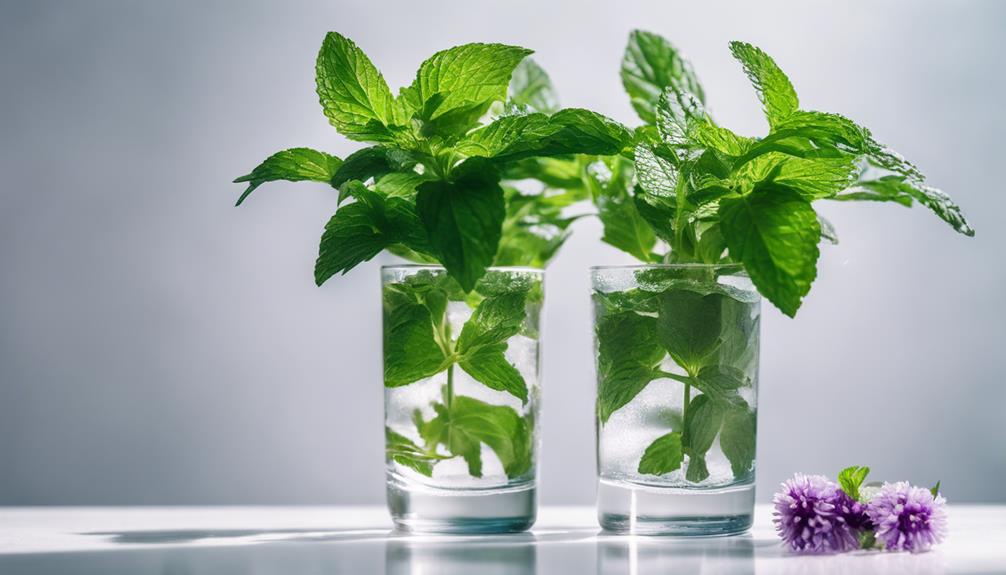
At Gardening Fire, you can grow a thriving peppermint plant from cuttings by selecting healthy stems with vibrant green leaves and a strong aroma. Prepare cuttings by trimming lower leaves, shaping the stem, and rinsing with water. Create a rooting hormone solution with honey and aloe vera gel to promote healthy root growth.
Plant the cuttings in well-draining soil, providing bright indirect light and consistent temperatures between 65°F to 75°F. Water gently and maintain good air circulation to prevent fungal diseases. With proper care, your peppermint plant will flourish, and you'll be on your way to enjoying fresh, fragrant leaves in no time - and there's more to learn about optimal growing conditions and care. With Gardening Fire, you'll be well on your way to becoming a master gardener.
Key Takeaways
- Select mature, disease-free peppermint plants with bright green leaves and a vibrant aroma as the source material for cuttings, ensuring optimal propagation.
- Trim the lower leaves, shaping the stems to promote healthy root growth and prevent decay, while minimizing the risk of infection.
- Dip the cut ends of peppermint stems into a homemade rooting hormone solution or a commercial equivalent to stimulate root development before planting them in soil.
- Plant the peppermint cuttings in a pot or tray filled with a well-draining seed starting mix, spacing them 1-2 inches apart to allow for adequate air circulation and growth.
- Provide bright, indirect light, consistent temperatures between 65°F to 75°F (18°C to 24°C), and good air circulation to promote optimal growth, establishment, and root development.
Choosing Healthy Peppermint Cuttings
Select peppermint cuttings from a mature, disease-free plant to ensure a strong foundation for your new plant. Opt for stems with an abundance of leaves, as these will provide energy for growth. Aim for cuttings measuring 4-6 inches long, featuring at least four sets of leaves. Avoid taking cuttings from weak or spindly stems, as they may not root well.
When selecting cuttings, look for stems with a mix of old and new growth, ensuring a strong foundation and adaptability in the new environment. You may need to gently dig around the parent plant's base to find suitable stems, especially if the plant is dense or overgrown.
Choose healthy peppermint plants with bright green leaves and a vibrant aroma. Avoid stems showing signs of disease, pests, or damage. If unsure about the parent plant's health, it's better to err on the side of caution and choose a different source.
Preparing the Cuttings for Planting
With your healthy cuttings in hand, prepare them for planting by trimming the lower leaves and shaping the stems. This crucial step promotes healthy root growth and prevents decay. Remove leaves that will be submerged in water or soil, as they can cause decay. Leave two to three sets of leaves at the stem's top, as they facilitate sunlight absorption and photosynthesis.
Trim the stem at a 45-degree angle, just above a node (where a leaf meets the stem). This angled cut increases the surface area for roots to develop. Use a sharp, sterile tool to make a clean cut, preventing disease spread.
Gently scrape off weak or spindly growth from the lower stem, avoiding node damage. This encourages the cutting to focus energy on root development rather than supporting weak growth.
After preparing the cuttings, gently rinse them with water to remove debris, preventing bacteria or fungi from interfering with the rooting process. Your prepared cuttings are now ready for planting and the journey to becoming a thriving peppermint plant.
Creating a Rooting Hormone Solution
Creating a Rooting Hormone Solution
To promote successful propagation, a rooting hormone solution is necessary to stimulate root growth. This solution triggers root development from the cut ends of peppermint stems, increasing the chances of successful growth into healthy plants. You can either purchase a commercial rooting hormone powder or liquid or create a homemade solution.
To make a homemade rooting hormone solution, combine 1 tablespoon of honey with 1 cup of water in a small bowl. The honey contains enzymes that break down the cell walls of peppermint stems, facilitating root formation. Add 1 teaspoon of aloe vera gel to the mixture, which provides natural antibacterial and anti-inflammatory properties that promote healthy root growth.
Mix the ingredients well and let the solution sit for 24 hours to allow the ingredients to meld together. After 24 hours, the homemade rooting hormone solution is ready for use. Dip the cut ends of peppermint stems into the solution, ensuring they are fully coated, before planting them in soil. This solution gives peppermint cuttings the best possible start, increasing their chances of growing into healthy, thriving plants.
Planting the Peppermint Cuttings
Plant the peppermint cuttings in a pot or tray filled with well-draining seed starting mix, gently firming the mix around the stems to secure them in place. Ensure the nodes (where the leaves meet the stem) are buried, as this is where the roots will develop. Water the mix gently but thoroughly, making sure the soil is moist but not waterlogged.
To prevent peppermint's invasive tendencies, use small pots or cell trays to contain the roots. Space the cuttings 1-2 inches apart to give them room to grow. If using a tray, fit multiple cuttings in a single tray.
After planting, water the cuttings thoroughly to settle the soil. Mist the leaves with water to help them establish. Maintain consistently moist soil, avoiding waterlogging, which can cause root rot. With proper care, the peppermint cuttings should develop roots and new growth within a few weeks.
Providing Optimal Growing Conditions
Provide your peppermint plants with bright, indirect light, ideally in a spot that receives morning sun and afternoon shade, to promote healthy growth and prevent scorching. East- or west-facing windows are ideal, as they provide gentle, indirect light.
Maintain a consistent temperature between 65°F to 75°F (18°C to 24°C) for optimal growth. While peppermint plants can tolerate a slight drop in temperature at night, avoid placing them near drafty windows or air conditioning vents. Ensure good air circulation by keeping plants at least 6-8 inches away from any walls or obstacles.
To maintain optimal humidity, especially for young plants, place the pot on a tray filled with water and pebbles or use a humidifier. This helps prevent leaf curl and promotes healthy growth.
Caring for the New Plants
To ensure the optimal growth of your peppermint plants, focus on their ongoing care. Watering is crucial; check the soil daily to maintain consistent moisture levels, avoiding waterlogging. Stick your finger into the soil up to the first knuckle; if the soil feels dry, it's time to water. Water thoroughly, allowing excess water to drain from the pot.
Fertilize with a balanced, water-soluble fertilizer at half the recommended strength, applied once a week. Avoid overfertilization, which can damage roots. Regular pruning encourages bushy growth and prevents legginess. Pinch off stem tips to promote branching and trim long stems to maintain a neat shape. Monitor for pests like spider mites, mealybugs, and aphids, and treat infestations promptly. Ensure good air circulation to prevent fungal diseases. By following these care tips, you'll grow healthy, thriving peppermint plants.
Transplanting the Mature Plants
Transplanting the Mature Plants
When your peppermint plants outgrow their containers, transplant them into larger pots or directly into the garden to provide their roots with sufficient space to expand. This step is crucial in their growth cycle, as peppermint roots can rapidly outgrow small containers. Select a location with well-draining soil and partial shade to full sun, depending on your climate. If you're moving the plants directly into the garden, space them 12-18 inches apart to allow for proper air circulation.
Before transplanting, prepare the new soil by loosening it to a depth of approximately 12 inches. Add a 2-inch layer of compost or well-rotted manure to enhance soil fertility and drainage. Carefully remove the plant from its container, taking care not to disturb the roots. Place the plant in its new home, ensuring the soil level is the same as it was in the container. Backfill with soil, gently firming it around the roots as you go. Water thoroughly to settle the soil and provide sufficient moisture to support establishment.
After transplanting, maintain consistently moist soil, but avoid waterlogging. Mulch around the plants to retain moisture and suppress weeds. With proper care, your peppermint plants should thrive in their new environment, providing an abundance of fragrant leaves for teas, cooking, and other uses.
Common Mistakes to Avoid
When growing peppermint, it's essential to avoid common mistakes that can hinder plant growth, such as inadequate pruning, insufficient watering, and poor soil quality. These mistakes can lead to weak and spindly plants, reducing their productivity and flavor.
Common mistakes to avoid include:
| Mistake | Solution |
|---|---|
| Inadequate pruning | Regular pruning encourages bushy growth and prevents flowering. |
| Insufficient watering | Water plants when the top inch of soil feels dry, avoiding overwatering that can cause root rot. |
| Poor soil quality | Use a well-draining potting mix with a pH between 6.0 and 7.0, and fertilize with a balanced fertilizer. |
Additionally, provide peppermint plants with sufficient light, ideally 4-6 hours of direct sunlight or 12-14 hours of indirect sunlight. By avoiding these common mistakes, you'll be well on your way to growing healthy and thriving peppermint plants. Proper care and attention ensure a bountiful harvest.
Frequently Asked Questions
Can Peppermint Plants Be Grown Indoors Year-Round?
You can grow peppermint plants indoors year-round, provided you meet specific conditions. A pot with good drainage, indirect sunlight, and temperatures between 65-75°F (18-24°C) are essential. With proper care, you'll have access to fresh peppermint leaves throughout the year.
How Often Should Peppermint Plants Be Watered Daily?
Peppermint plants can thrive in waterlogged soil, with some varieties tolerating up to 20% water content. Water your peppermint plant when the top inch of soil feels dry to the touch, which is usually every 2-3 days in summer and weekly in winter.
Can Peppermint Be Grown From Seed Instead of Cuttings?
Growing peppermint from seed is a viable option, but it's a slower process that may compromise the plant's potency compared to propagating through cuttings. To grow peppermint from seed, sow indoors 8-10 weeks before the last frost, maintaining moist and warm soil conditions.
Will Peppermint Plants Attract Pests or Other Unwanted Insects?
Peppermint plants are naturally pest-repellent, but they can attract aphids and spider mites if not properly cared for. To minimize unwanted insect visitors, maintain healthy plants through regular watering, pruning, and fertilization.
Can Peppermint Plants Be Grown in Shady Areas Outdoors?
You can grow peppermint in shady areas outdoors, but be aware that it may exhibit slower growth and potential leaf discoloration. Peppermint thrives in partial shade with indirect sunlight.
Conclusion
Gardening Fire: You've successfully grown peppermint from cuttings! With proper care, your new plants will thrive. Did you know that peppermint is one of the most widely consumed herbs in the world, with over 600,000 tons produced annually? Now, you're contributing to that statistic. Enjoy your fresh, fragrant peppermint leaves in teas, cocktails, or as a garnish. Happy growing with Gardening Fire!